
Short answer: Yes, well maybe, it depends.. let me explain:
Sometimes referred to the “nifty fifty”, the 50mm lens have been a favorite for photographers for decades. It is arguably the focal length closest to that of the human eye (not including the peripheral view). It is wide enough for landscapes but still narrow enough to capture portraits. But back to the question at hand, it depends what kind of travel you do and what kind of photography you do, as well. So in this post I will go over why the 50mm prime is one of the best lenses for travel photography. As for me, I always have a 50mm prime in my bag, but it is never the only lens I bring on long trip.
If I had to choose only one lens to bring with me, I would choose a 50mm prime, and here is why:

This image of the Indian Himalayas was taken with a 50mm prime.

Want to see the full list of the gear I am taking on a 5 month trip to South East Asia:
—
The Pros: There are many
Very compact
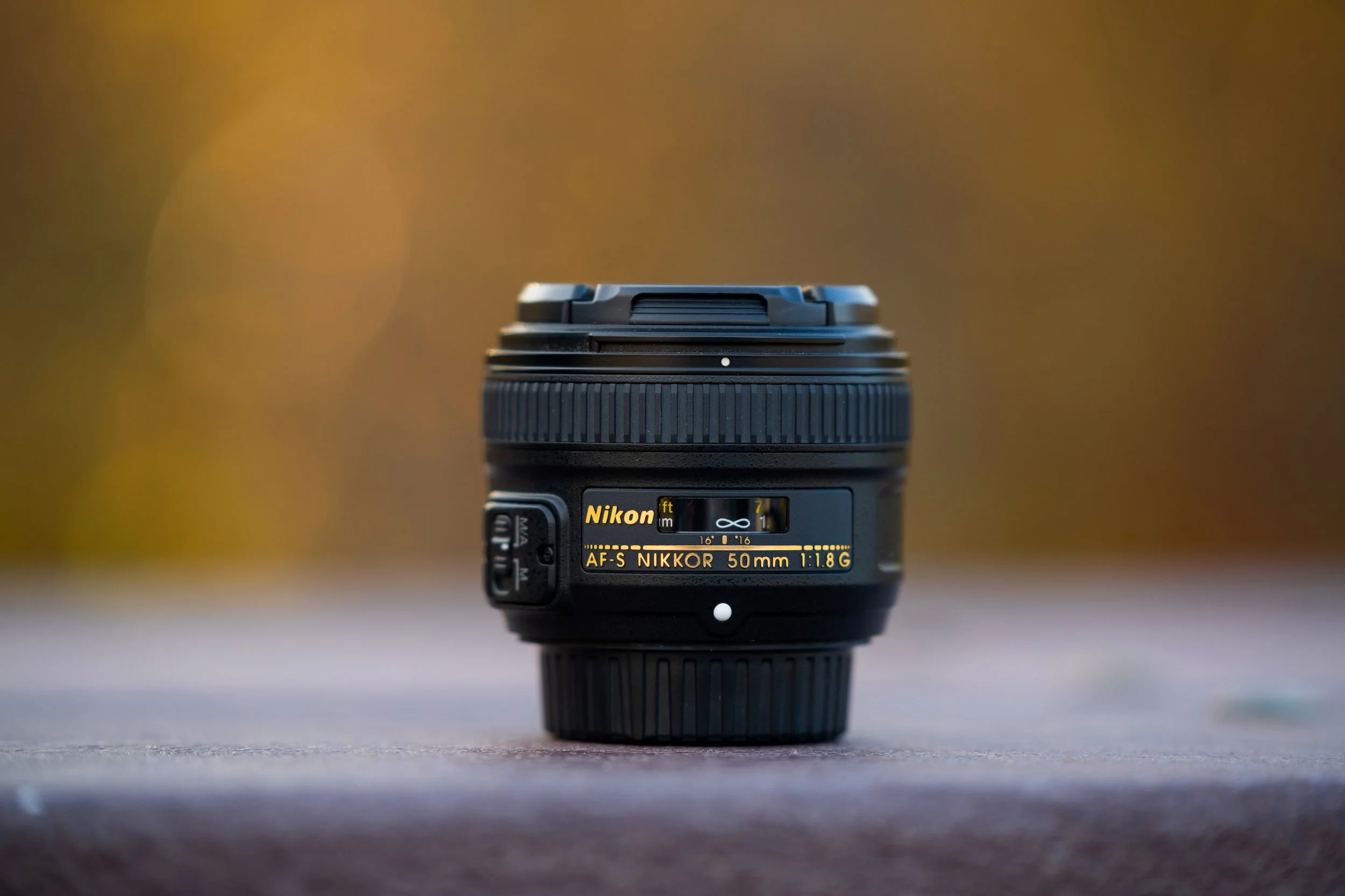
The 50mm is generally small especially if you get the aperture of 1.8. They do come in apertures as low as F/1.2 but those are much larger and not to mention much more expensive. The compact light size makes it easy to throw in a bag and carry around all day through foreign lands. Not to mention when it is mounted on a camera it is light and doesn’t stand out as much as a large zoom. Thats one of the things I like most about using a 50mm prime, its small and discreet. I don’t stick out like a sore thumb like I do when I try to use my 70-200mm F/2.8 or even my 16-35mm F/4. I shoot with a full frame DSLR (Nikon D850) which is already a large camera by itself to haul around, but with a small lightweight prime on it, I can manage shooting all day and it can comfortable hang around my neck.
High Quality: Razor Sharp
As a general rule, you can assume that if a lens is capable of a low consistent f/stop, it will be sharp. That rings true for prime lenses. The most common aperture for a 50mm is f/1.8. This makes the lens extremely sharp even wide open. It also helps you take images with less noise in low light conditions due to having such a large aperture. Not to mention you can get some nice bokeh shooting at such a low aperture, something that cannot be achieved with most kit lenses making this a great purchase for new photographers. If you are just getting into photography and really want a lens that is going to blow your socks off for the sharpness, invest in a 50mm prime.

Shooting wide open at f/1.8 I was able to capture this scene with minimal noise even in dark indoor conditions. The image is sharp and the bokeh is pleasingly smooth.
Unbreakable & Inexpensive: Won’t Break the Bank
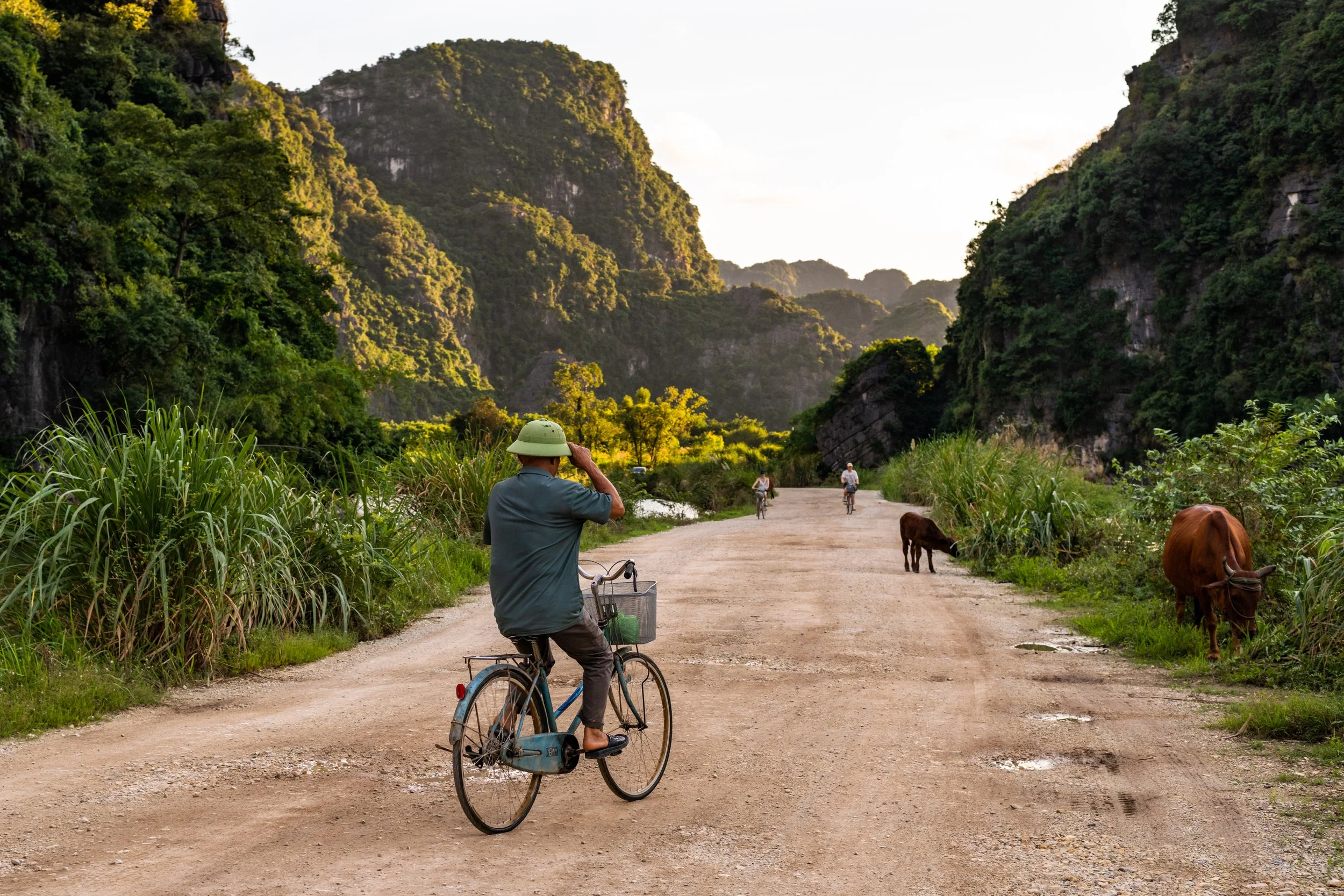
One of the main reasons to buy a 50mm prime is the price. They are generally inexpensive with new ones costing a few hundred dollars (used can be even less). For the quality of the lens you get for the price it is a no brainer. They are also very tough and hard to break or damage, with regular use. Since there are not many moving parts like a zoom lens there are less things that can go wring or break within the lens, making it virtually indestructible.
A prime lens can improve your photography
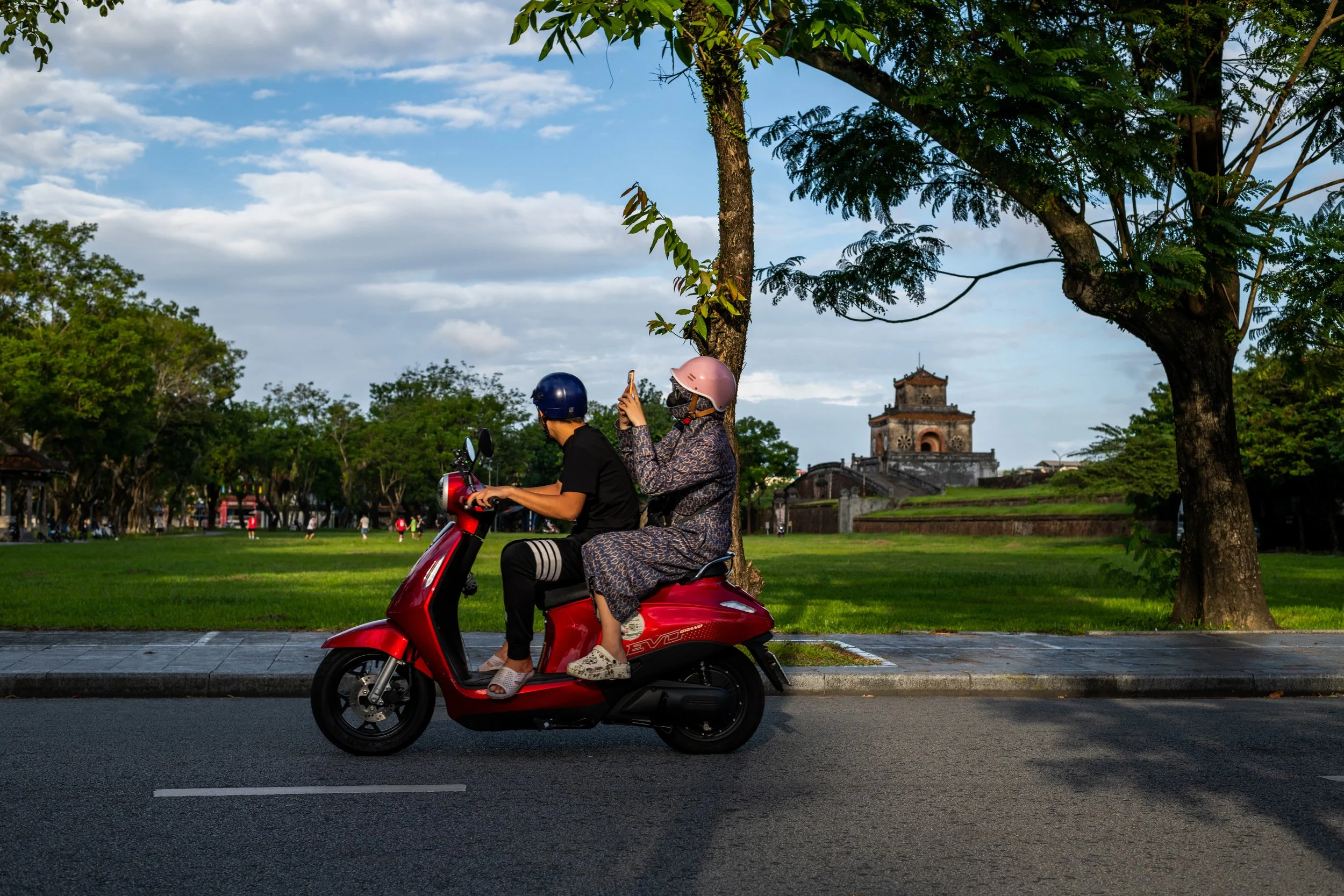
Not having the versatility to zoom means that a bit more care needs to be put into composing your image. You need to be more attentive of how far away you are from your subject. This can greatly improve your knowledge on the focal length of lenses. It also removes another variable to your photography, one less thing to think about and setting to change while you are out shooting.
50mm focal length can almost do it all
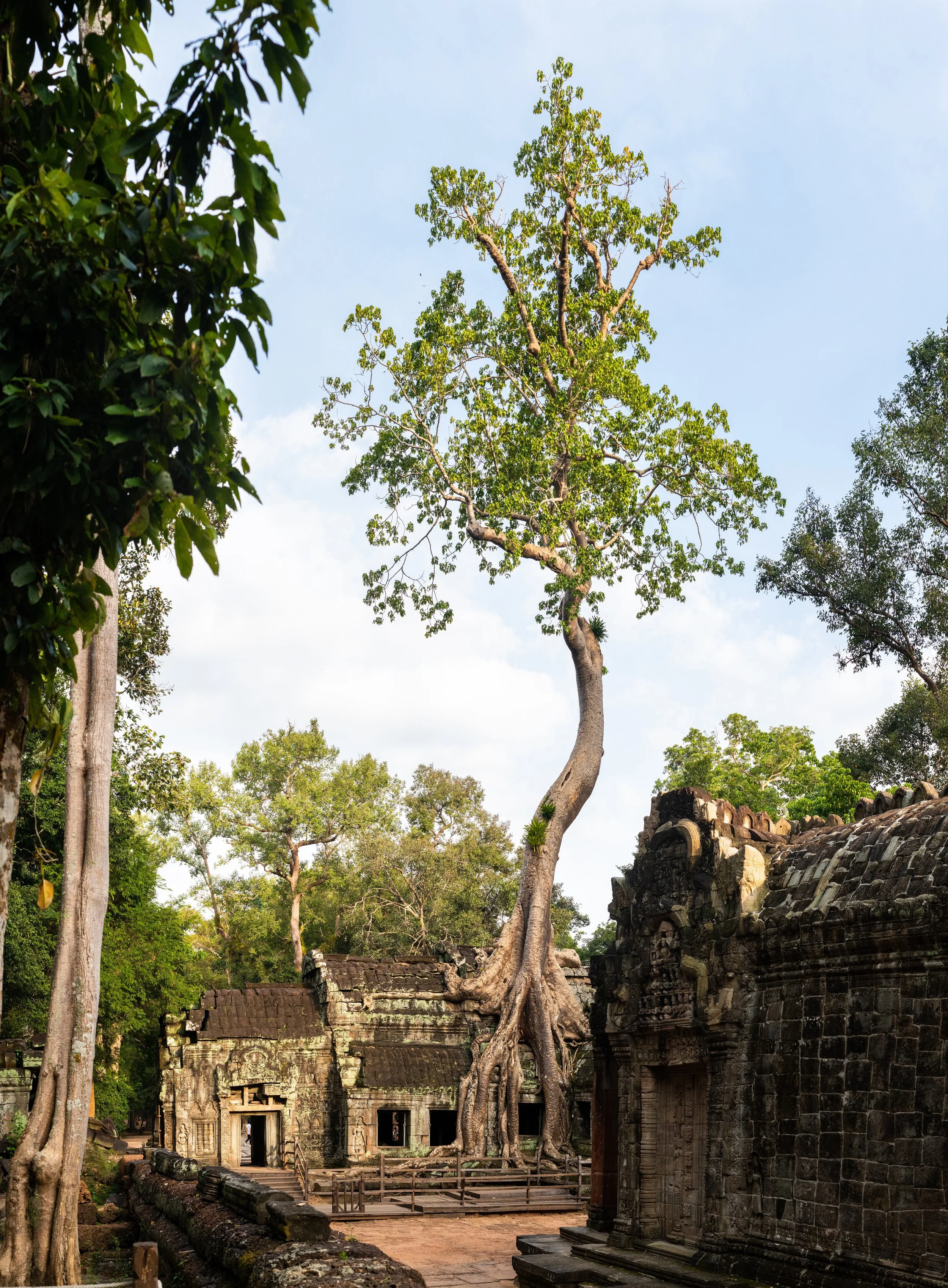
With a bit of knowledge and ingenuity, you can manipulate the 50mm to capture a bit more. When taking the image of the tree and temple I was way too close to capture it with a 50mm lens, even with backing up as far as I could go. So what I did is I took a panorama. I started at the bottom and worked my way up to the top of the tree taking about 6-8 images. I then combined them in post processing to get the image you see.
The 50mm can also be used as a wildlife lens if safe enough to get close to the wildlife.
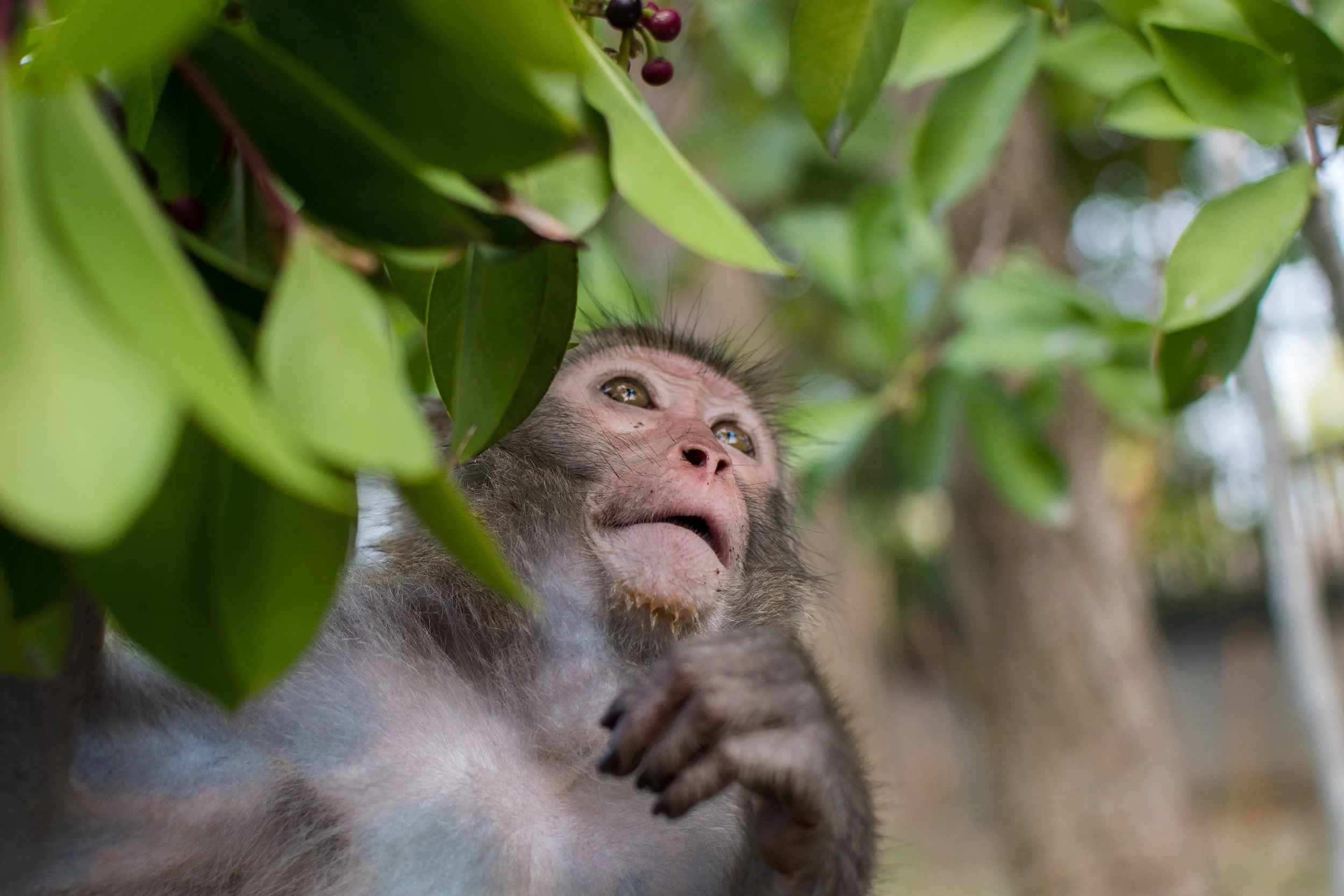
It was maybe not the best idea to get this close to the macaque, but he was preoccupied and didn’t seem to mind.
The Cons: You Can’t Zoom!
So as for the cons there is really only one, and its a big one: losing the ability to zoom. For many people this is the dealbreaker, and rightfully so. I’ll admit, I have personally missed plenty of shots and not been able to take them because of not having the ability to change my focal length. You lose the ability to adjust your focal length to get closer or farther away from your subject. Physically moving closer or farther is sometimes not possible if you are in a crowd, boat, or car, and this can cause you to lose shots.
Should you buy a 50mm Prime?
YES!! I can almost guarantee every pro photographer had a 50mm prime lens in their kit, or at least had one once in their lives. For new photographers, it is a great piece of kit that helps you achieve very sharp images at a decent price point. You will not regret buying one. The large aperture, sharpness, and discreetness are all positives that can outweigh the fact that it cannot zoom. But I also recommend having another lens in your bag just in case. I always have a wide angle lens in my kit to accompany the 50mm prime for landscapes, architecture, and temples.
Recommended lenses to buy
Some of the links are affiliate links and if you choose to purchase an item, I may get a small commission.